
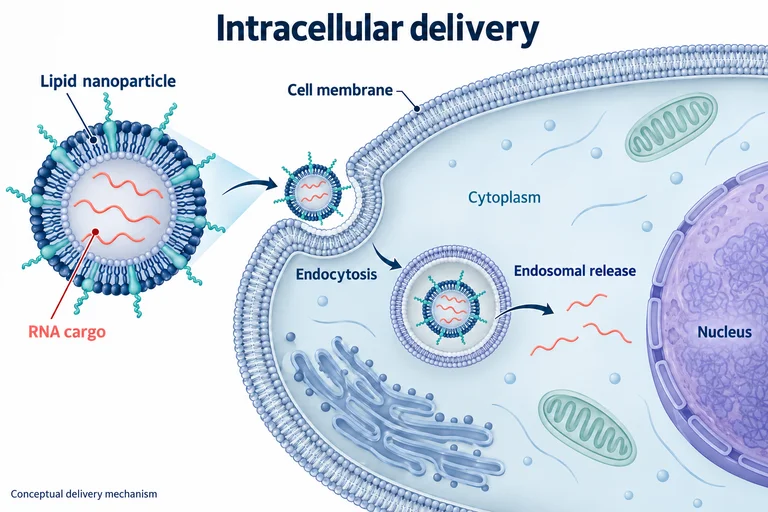
Intracellular nanoparticle delivery
Connect a carrier cutaway to cellular uptake and cytoplasmic release.
Use this promptA starting point for your research
Find a visual direction for your research. Explore an example, adapt its prompt and make it your own.
Connect a carrier cutaway to cellular uptake and cytoplasmic release.
Use this prompt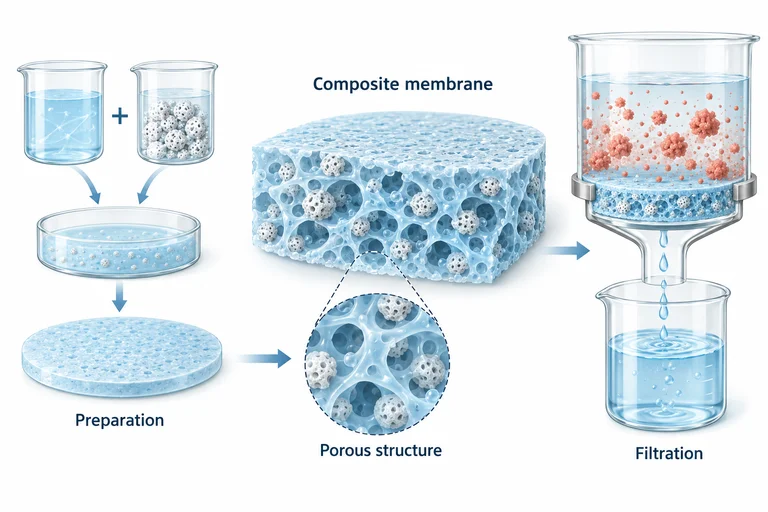
Link preparation, pore structure and filtration in one reading sequence.
Use this prompt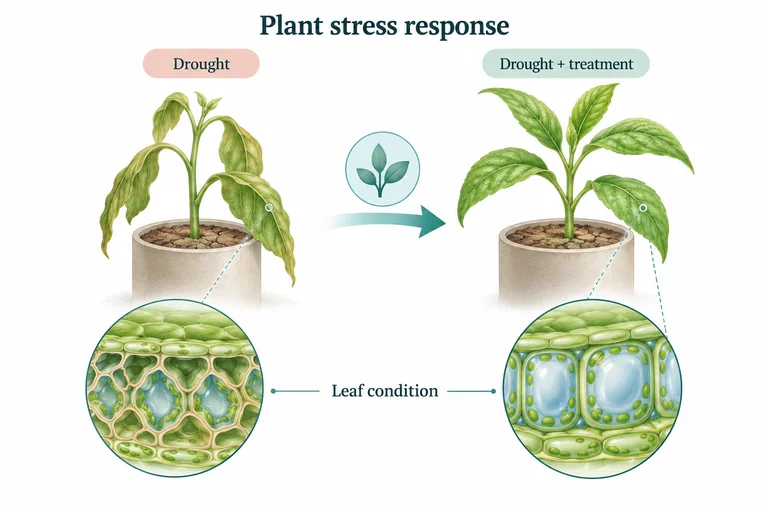
Compare matched plants and connect leaf appearance to tissue detail.
Use this prompt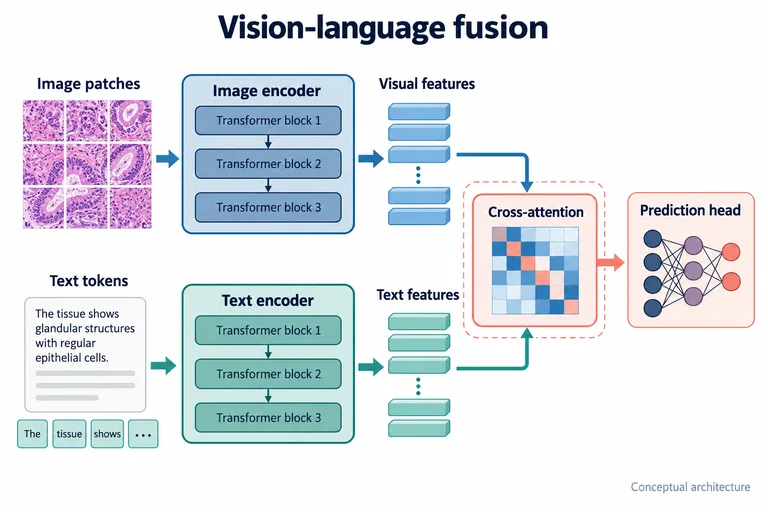
Bring two encoding branches into a shared fusion module.
Use this prompt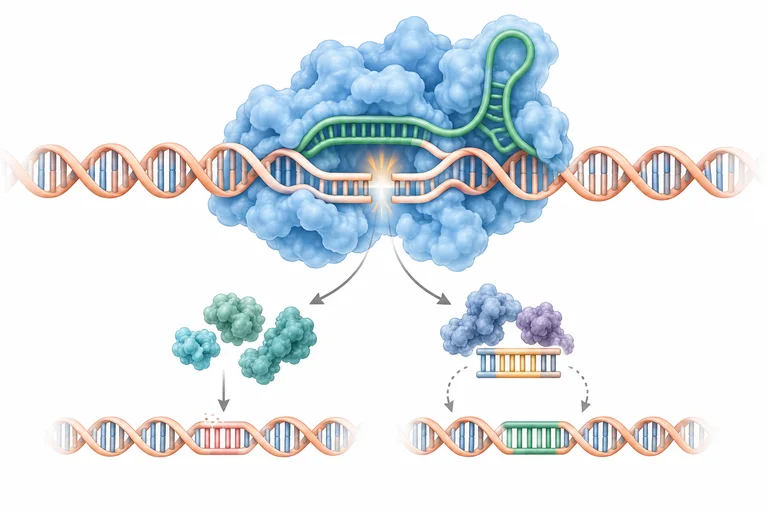
Use a molecular focal point and branches for distinct repair routes.
Use this prompt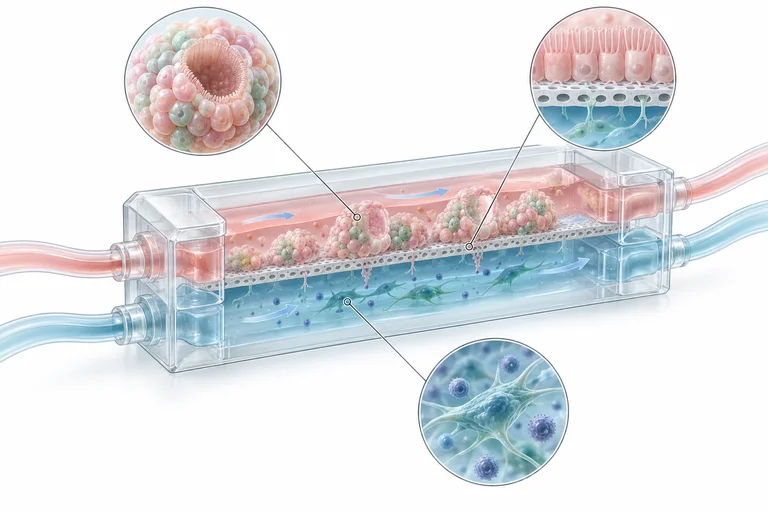
Connect device architecture to tissue with a transparent cutaway.
Use this prompt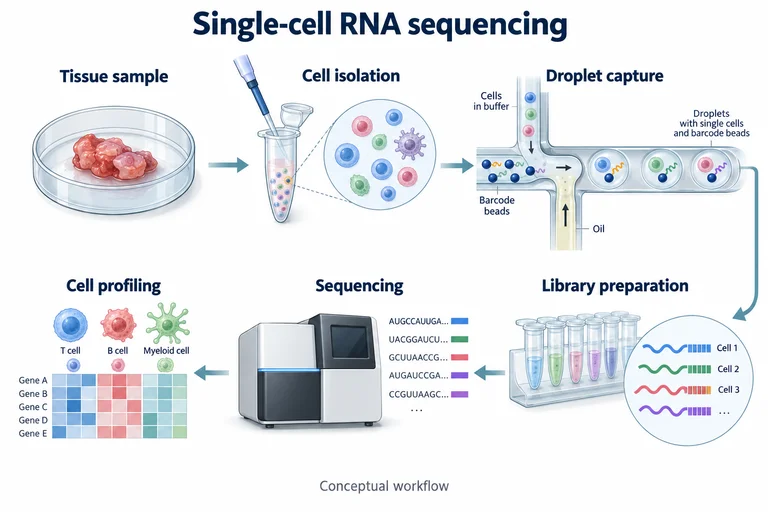
Connect six illustrated sample and instrument stages.
Use this prompt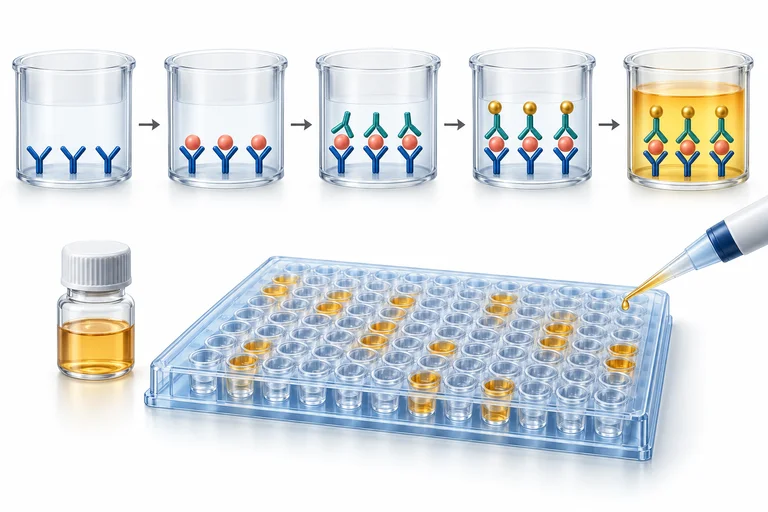
Explain the assay through a sequence of binding steps.
Use this prompt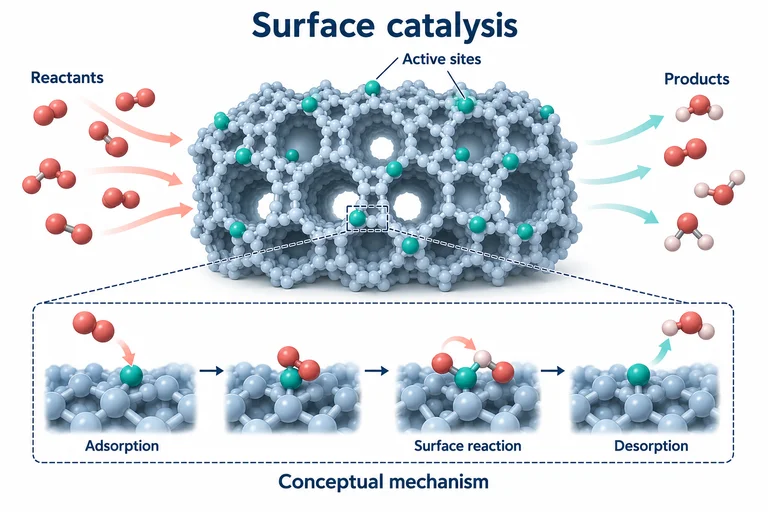
Pair a material cutaway with adsorption, reaction and desorption.
Use this prompt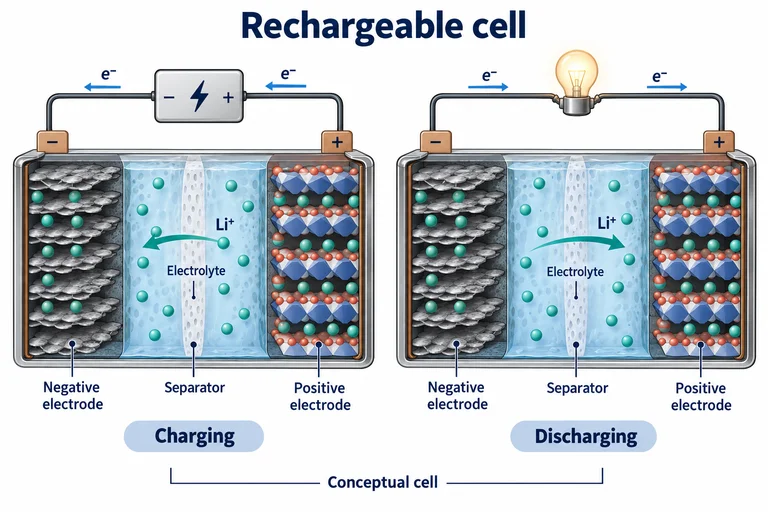
Compare ion transport and external electron flow across two states.
Use this prompt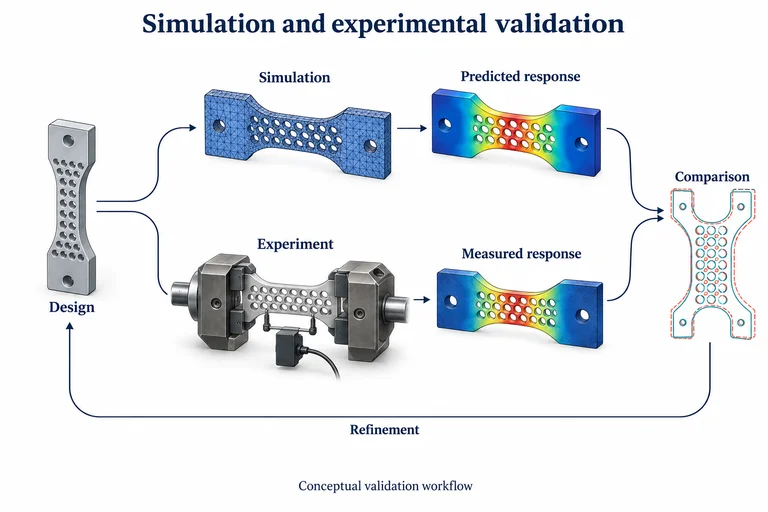
Branch one design into simulation and experiment, then compare.
Use this prompt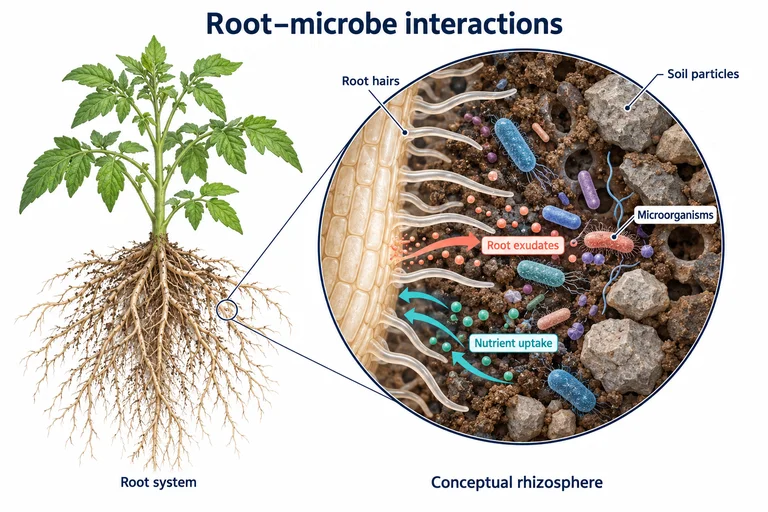
Zoom from roots into the rhizosphere and distinguish exchange directions.
Use this prompt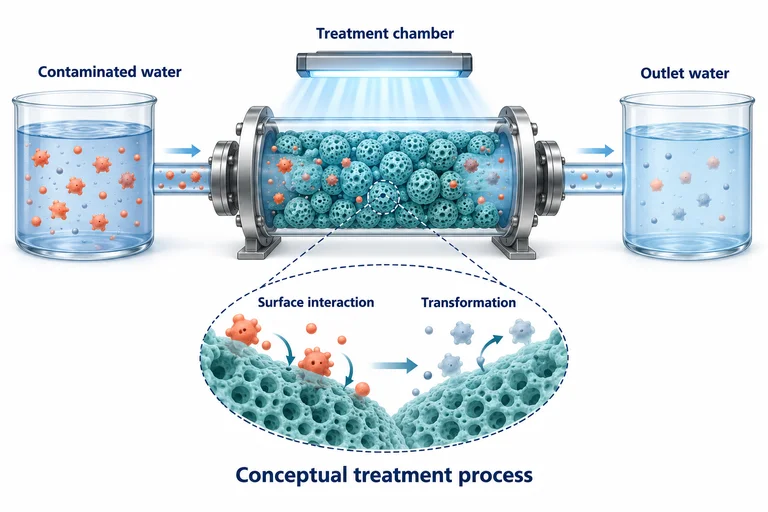
Connect inlet, treatment chamber and outlet with a surface inset.
Use this promptAI-generated conceptual examples for visual inspiration, not experimental results.
Choose a workflow for steps, a comparison for differences, or a zoomed view to connect a system to its mechanism. Start with a similar information structure.
Describe the subjects, key relationships, reading order and required labels. Replace the example findings and remove steps that do not belong to your study.
Check labels, arrows, data and structures. A mechanism or workflow can also form part of a larger graphical abstract. Check export dimensions against your target journal.
These templates provide visual examples and reusable prompts. Copy a prompt or open the maker, adapt the description and generate a new figure.
A prompt starts with the example description for you to adapt. Reference mode uses the image for composition and style; your input defines the science.
Exact reproduction is not guaranteed. Models, settings and randomness affect results. These are reference prompts, and the science still needs review.
Browsing and copying do not require an account. Sign in to generate; your description and template choice are retained. Credit use is shown in the maker.